Separate the Language Barrier from the Orthographic Barrier
Bridge conversational fluency and academic reading independence with a patented phonetic approach designed to accelerate English Language Learners.
For many English Language Learners (ELLs), learning to read in a new language presents a double challenge.
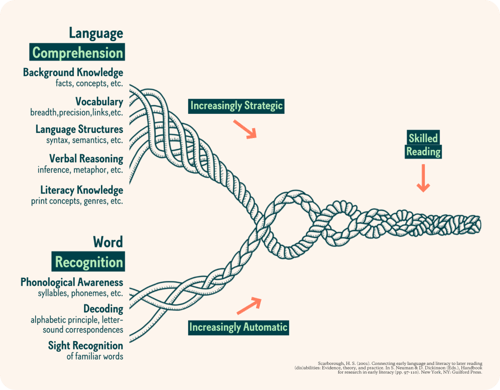
Dr. Hollis Scarborough’s Reading Rope illustrates that skilled reading requires weaving together two foundational domains: Language Comprehension (background knowledge, vocabulary, and sentence structures) and Word Recognition (phonological awareness, decoding, and sight recognition).
Multilingual learners often face challenges across both strands of the reading rope. They must acquire the vocabulary and language structures of spoken English, while also grappling with the complexities of decoding unfamiliar written words.
When decoding requires constant active effort, it drains the limited cognitive energy students need to acquire language and build comprehension. By providing targeted scaffolding for automatic word recognition, Readable English frees up cognitive capacity so students can simultaneously build their vocabulary, master language structures, and access grade-level meaning.
A Temporary Phonetic Bridge to Independent Reading
Readable English removes the guesswork from decoding by making English text visually phonetic while keeping the original spelling fully intact.
-
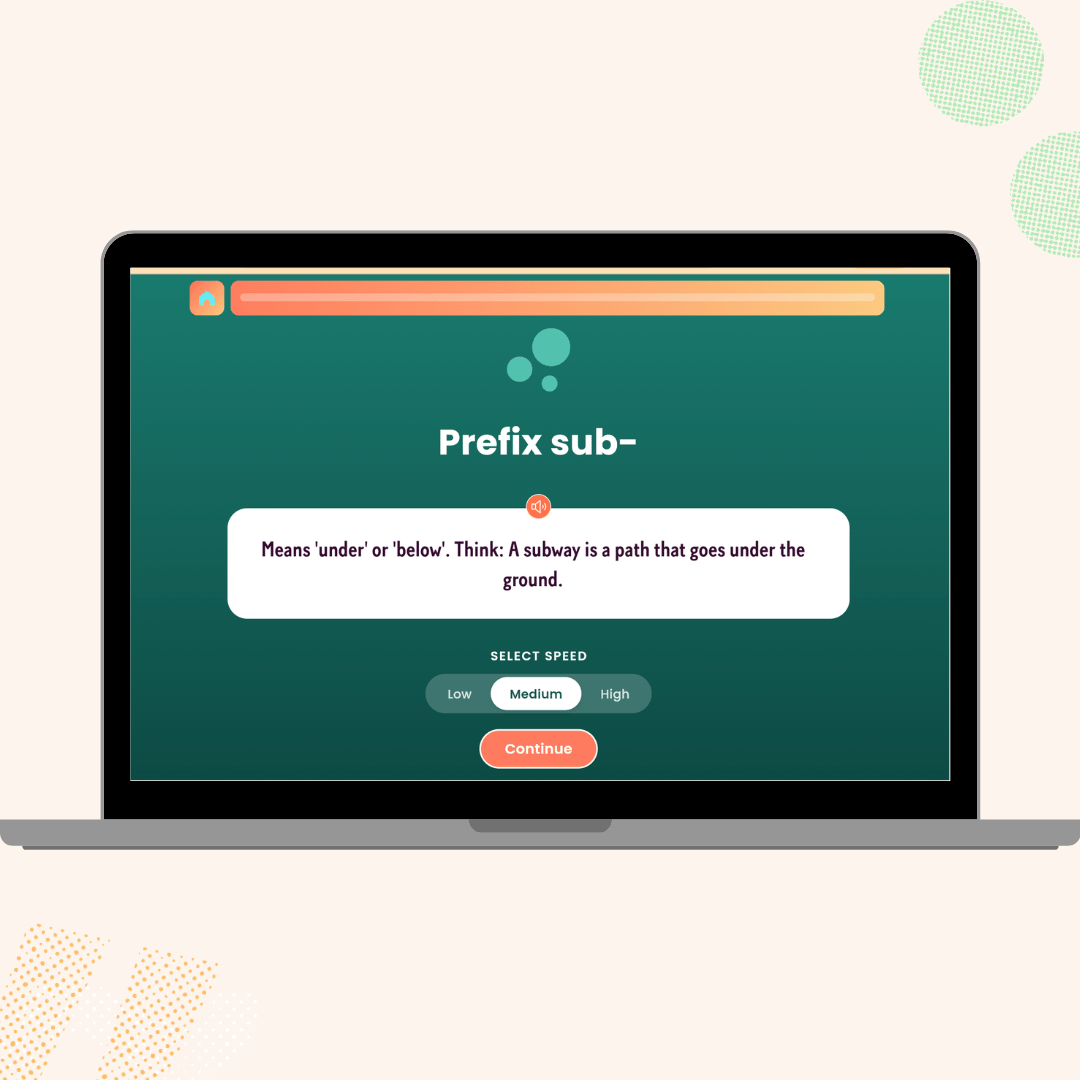
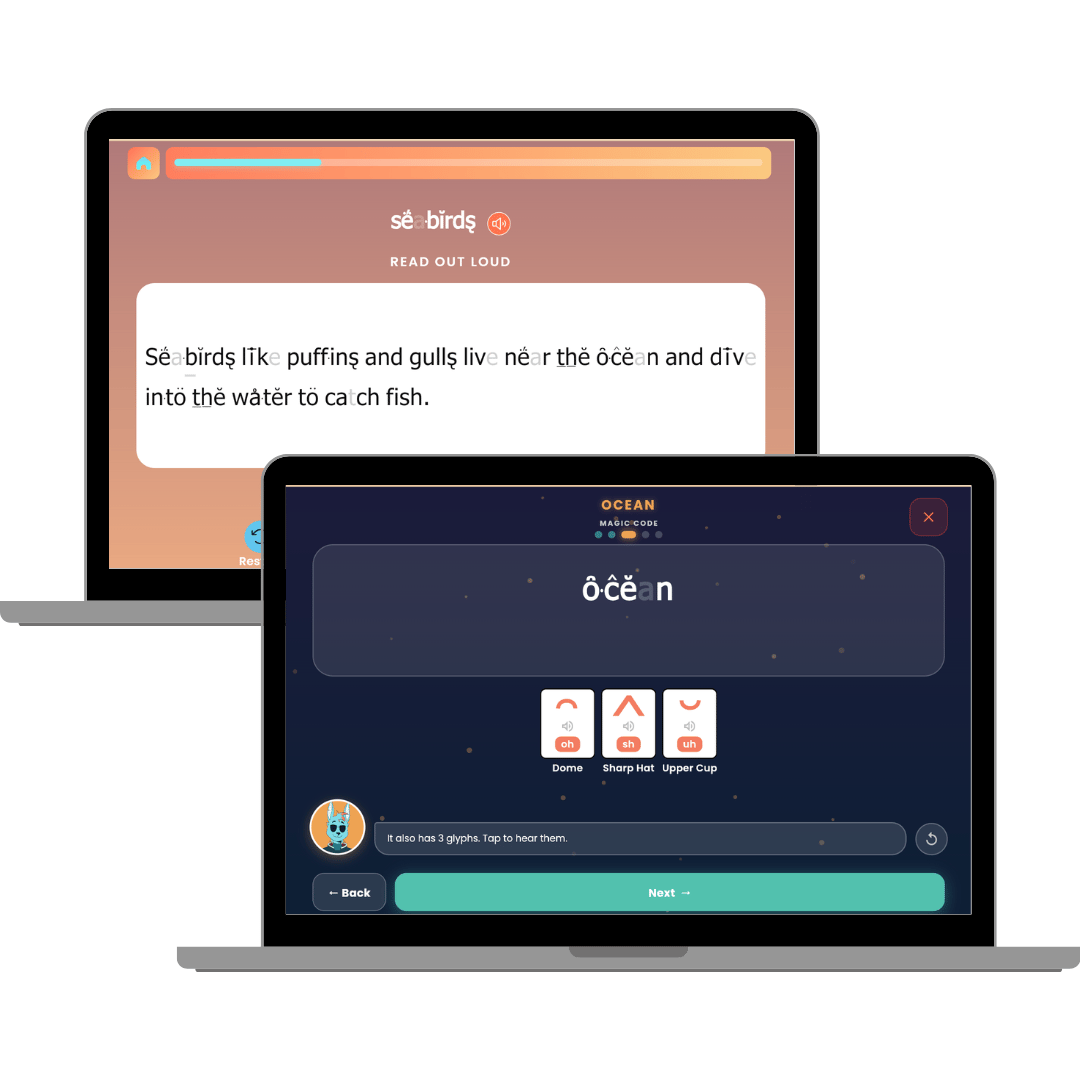
21 Patented Diacritical Glyphs: Provide an embedded pronunciation guide so students instantly know which sound a letter makes.
-
Visual Syllabication: Breaks complex, multisyllabic academic words into manageable, readable chunks.
-
Grayed-Out Silent Letters: Visually signals which letters to skip, removing silent-letter confusion.
-
Prevents Fossilization: Stops students from repeatedly practicing incorrect pronunciations—a common barrier in SLA—so they build accurate orthographic mapping from their first encounter with a word.
Accelerating Independence & Preserving Dignity
-
Separates Language from Orthography: Helps students read and pronounce unfamiliar words while simultaneously reinforcing standard English spelling.
-
Treats Older Learners with Dignity: Built specifically to empower older students (Grades 4–12) to access age-appropriate texts without reliant pull-out instruction.
-
Frees Cognitive Capacity: Rapid decoding automaticity frees up mental resources for vocabulary expansion and higher-level comprehension.
-
Keeps Students in Core Instruction: Enables students to work with grade-level classroom materials alongside their peers by offering built-in decoding supports.
The glyphs and the different games/strategies are very deliberate and effective. Naomi gets very excited to see her word score go up weekly. The portal user experience is intuitive and a great fit for our family.
We are fortunate to have found this program and excited about sharing our positive experience with other families struggling with learning to read.
|
Holly Talbot
Parent |
When Dereck was introduced to Readable English the summer before 4th grade, he was at a 2nd grade reading level. When he started school in the fall, he was assessed at a 4th grade reading level.
Readable English has improved the opportunities and possibilities Dereck will have in his life.
|
Annette Milne
Parent |
My son really struggled with English and subjects that involved having to read significant amounts. Readable English has made a world of difference - he is now confident to read aloud and understands the meanings of words as well.
|
|
Melita Watts
Parent |
Eliza is an EL coordinator within a high school. There are many EL students needing support with their reading and pronunciation. Eliza will use the student self-paced implementation model, so that students at different EL proficiency levels can learn the glyphs at their own pace. After learning the glyphs, Eliza will support students in the flexible implementation style where the focus is converting relevant materials into Readable English using the browser extension. She knows her students will benefit from reading their required content in Readable English, and she can always come back to the learning portal and use the provided practice materials as needed.
Geoff is a middle school SpEd teacher. He has multiple classes of students across grades 6-8 needing support in reading. He sees his students every day, but only for 20 minutes. Geoff will use the combined implementation model for teaching the glyphs. He likes that over two weeks he will be explicitly introducing the content to students each day, while his students use the Student-Led Lessons to practice independently.Because he sees his students every day, after learning the glyphs he will follow the Teacher-Led Structured Lessons implementation model. He can feel confident knowing his students are getting a mix of provided reading practice materials, as well as time to convert their own materials.
Marianne is a third grade teacher. She knows that most of her students are reading behind grade level and lacking gaps in their foundational skills. Several students are classified as SpEd. She has the time to implement the program every day. Marianne chooses to follow the Teacher-Led implementation model for teaching the glyphs. Her students will learn the glyphs in 6 weeks, and she knows they will benefit from the extra skill building focus. Marianne is very happy with her school’s ELA curriculum. After teaching the glyphs, Marianne will follow the Flexible Implementation style where the focus is converting class-specific content into Readable English using the browser extension. She knows her students will benefit from reading their required content in Readable English, and she can always come back to the learning portal and use the provided practice materials as needed.
Research-Backed Results Driven by Cognitive Science
Grounded in Cognitive Load Theory and the Science of Reading, independent research shows that students using Readable English improve fluency and comprehension at twice the rate of control groups.
"Based on theory and data, I can recommend Readable English in the strongest possible terms. It has the power to transform the teaching of English."
— Professor John Sweller, Founder of Cognitive Load Theory
Proven Lexile Growth:
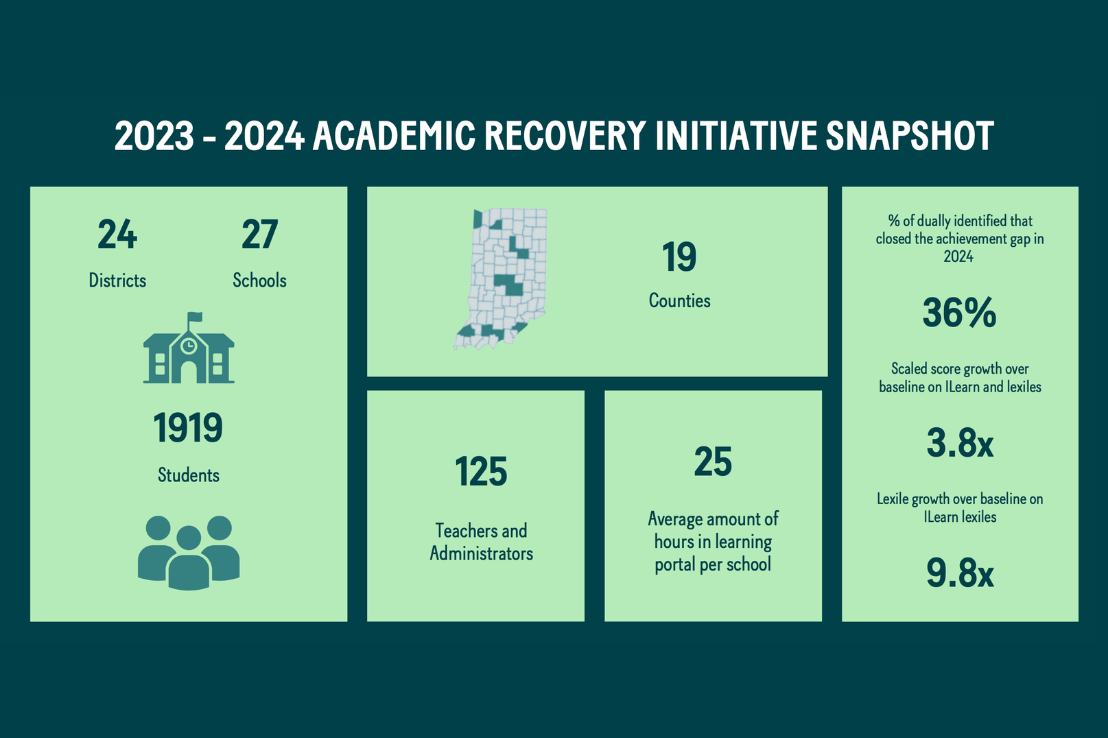
During state-funded implementations, English Learners using Readable English demonstrated an average Lexile growth of 133L—exceeding normative growth expectations by a factor of 5.7x.
Interactive Features Built for Multilingual Mastery
Our web application delivers target-driven scaffolding that turns passive reading into active, independent learning:
-
Interactive Markup & Audio Support: Provides immediate visual glyphs and instant audio read-aloud scaffolds so students can independently verify pronunciation and decoding.
-
Voice Recognition & Feedback: Delivers real-time speech evaluation to validate correct oral reading, giving students a safe space to practice speaking without fear of judgment.
-
Life Skills & Practical Conversations Content: Engages older learners with real-world scenarios—such as navigating community resources, job scenarios, and daily interactions—building both functional vocabulary and practical life skills simultaneously.
-
On-Demand Translation & Definition Supports: Allows learners to quickly reference word definitions and native-language context without breaking their reading flow.
Bring Independent Reading to Your English Learners
Discover how the Readable English Web App helps students build fluency, unlock grade-level content, and master English orthography.
.png?width=350&height=60&name=Readable%20English%20Logo%20(1).png)